
Introduction
There’s something about Zurich that gets under your skin the moment you arrive. Maybe it’s the clean blue shimmer of Lake Zurich stretching out beyond the city, or the medieval church towers rising above cobblestone streets. Or perhaps it’s the easy rhythm of Swiss life — trams gliding silently past outdoor cafés, people strolling along the Limmat river without a care in the world.
Whatever it is, Zurich has a way of surprising visitors who expect nothing more than banks and watches. Switzerland’s largest city is, in fact, one of Europe’s most livable, most walkable, and most rewarding destinations for a city break.
Whether you’re planning a quick weekend getaway or a longer Swiss adventure, this Zurich travel guide covers everything you need to know — from the best things to do in Zurich and how to get around, to where to stay, which tours to take, and when to visit.
For more essential tips on Switzerland, visit our homepage: Swiss Living Guide
In this guide, you’ll find:
- Top Zurich tourist attractions and hidden gems
- A practical 2-day Zurich itinerary
- Transport options including the Zürich Card and Swiss Travel Pass
- The best time to visit Zurich
- Where to stay — from budget to luxury
- Frequently asked questions answered honestly
Zurich Quick Facts
Before diving in, here’s a snapshot of everything you need to know at a glance.
| Detail | Information |
| Country | Switzerland |
| Language | German (English widely spoken) |
| Currency | Swiss Franc (CHF) |
| Population | Approximately 400,000 |
| Best Time to Visit | May to September |
| Getting Around | World-class trams, buses, and boats |
| Airport | Zurich Airport (ZRH) — 10 min by train to city center |
| Time Zone | CET (UTC+1), CEST in summer (UTC+2) |
Exploring Zurich City Center (Altstadt)
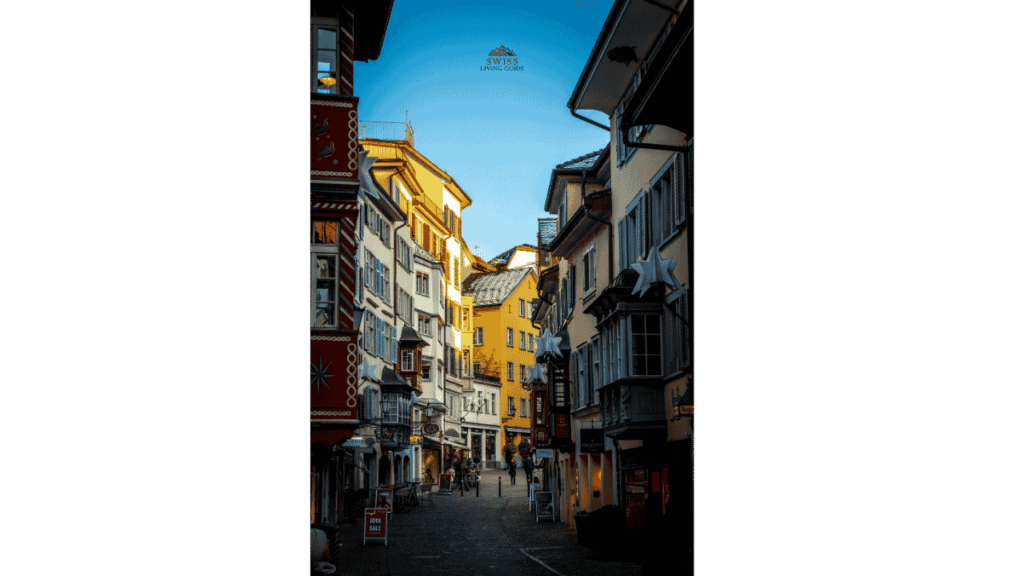
The Altstadt — Zurich’s Old Town — is where the city’s soul lives. Walk along the Limmat river on a sunny morning and you’ll find history and modern life sharing the same cobblestone streets. Medieval guild houses stand next to artisan coffee shops. Street musicians play near century-old fountains.
This is the beating heart of Zurich, and you can easily spend a full day here without running out of things to see or do.
Top Attractions in Zurich Old Town
Grossmünster
This iconic Romanesque church with its twin towers is the symbol of Zurich. Built between the 11th and 13th centuries, the Grossmünster played a major role in the Swiss Reformation. Climb the Karlsturm tower for an unbeatable view over the old town rooftops — it only costs a few francs and is absolutely worth it.
Fraumünster
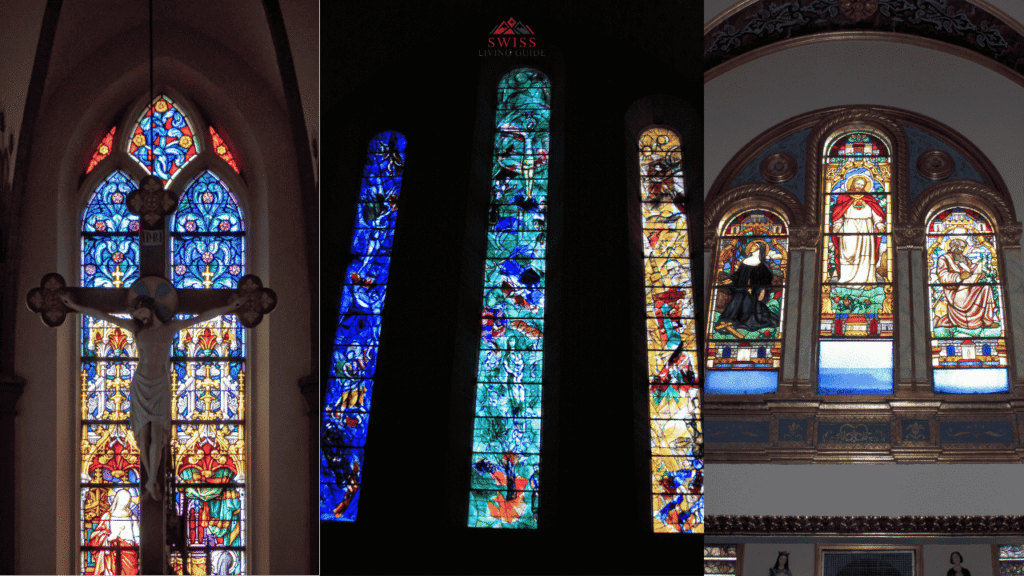
Across the river stands the elegant Fraumünster, famous for its breathtaking stained glass windows designed by the legendary Marc Chagall in the 1970s. The five windows glow with blues, greens, and golds — a genuinely moving experience. Entry is affordable, and the church is never overcrowded, which makes it feel wonderfully personal.
Bahnhofstrasse
Few streets in Europe carry the glamour of Bahnhofstrasse. Stretching 1.4 kilometers from the central train station down to Lake Zurich, this is one of the world’s most prestigious shopping streets. You’ll find global luxury brands alongside Swiss watchmakers and chocolatiers. Even if you’re not shopping, a stroll down Bahnhofstrasse is a quintessential Zurich experience.
Lindenhof
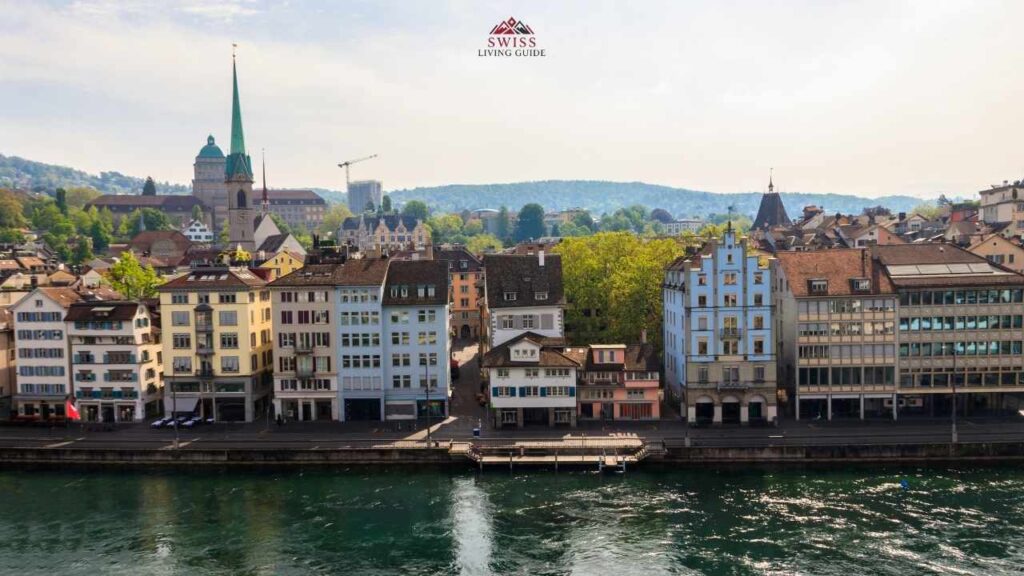
For the best panoramic view in Zurich without buying a ticket, head to Lindenhof. This tree-lined hilltop square was once a Roman fort, and today locals come here to play giant chess, sit on benches, and watch the city below. The view over the river, the red rooftops, and the distant Alps on clear days is simply stunning.
Tip: Download a free Zurich city map from the official Zurich Tourism website before your trip. It makes navigating the Old Town streets much easier — especially the smaller lanes that GPS can miss.
Getting Around Zurich
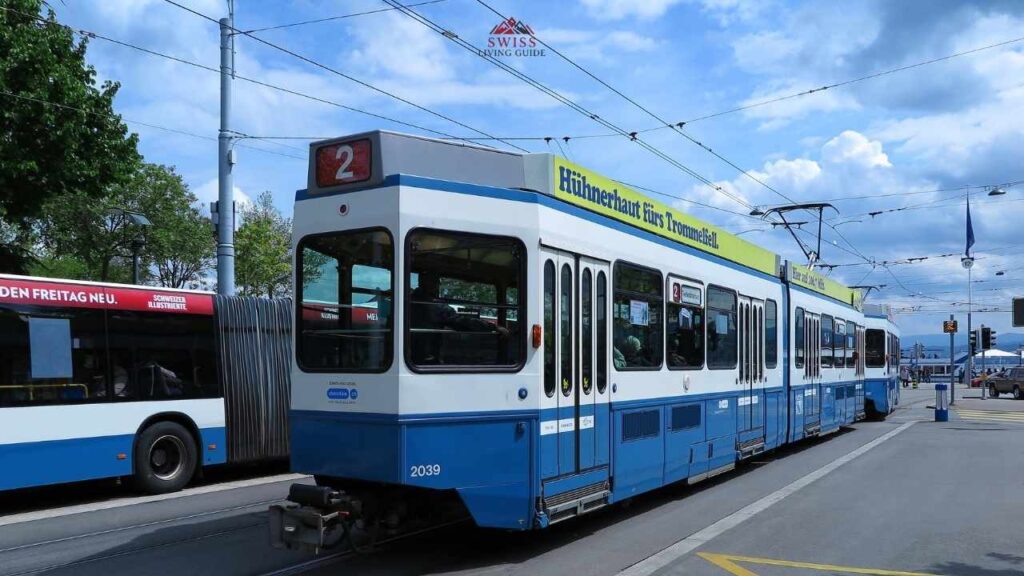
Zurich’s public transport system is a genuine joy. Trams, buses, trains, and even boats all run on time — often to the minute. The network is clean, well-signed in English, and covers every corner of the city. For most visitors, two options are worth knowing about: the Zürich Card and the Swiss Travel Pass.
Zürich Card
The Zürich Card is the smart choice for tourists focused on the city itself. It gives you unlimited travel on the entire Zurich public transport network — trams, buses, trains within the city zone, and even boats on Lake Zurich.
Key benefits of the Zürich Card:
- Unlimited tram, bus, and boat rides within Zurich
- Free entry to over 40 museums — including Kunsthaus Zurich and the Swiss National Museum
- Discounts at select restaurants and attractions
- Available in 24-hour or 72-hour versions
Who should use it: Anyone staying 1–3 days in Zurich who plans to visit museums and move around the city regularly. The card pays for itself quickly — a single tram ticket alone costs over CHF 4, and museum entry fees add up fast.
Swiss Travel Pass
If Zurich is just one stop on a longer Switzerland journey, the Kunsthaus Zurich is the better investment. It covers all trains, trams, and buses across the entire country, plus free museum access nationwide.
It’s especially useful for day trips from Zurich to places like:
- Lucerne — just 45 minutes by train, with its famous covered wooden bridge
- Mount Titlis — stunning Alpine views accessible from Engelberg
- Bern — Switzerland’s charming federal capital
Zürich Card vs Swiss Travel Pass — Quick Comparison
| Feature | Zürich Card | Swiss Travel Pass |
| Coverage | Zurich city only | All Switzerland |
| Duration | 24 or 72 hours | 3–15 consecutive days |
| Best For | Short city break | Multi-city travel |
| Museum Access | Free/discounted entry | Free museum entry |
| Day Trips | Not included | Lucerne, Titlis & more |
Tip: Buy your Zürich Card at the airport when you land — it activates immediately and saves you buying a separate airport train ticket into the city center.
Best Zurich Tours & Experiences
Zurich rewards curious travelers. Whether you want to dive into the city’s Roman roots on foot, glide across the lake at sunset, or sit back and let a guide do the talking from a comfortable bus seat — there’s a tour that fits your style.
Walking Tours
A guided walking tour of the Altstadt is one of the best ways to understand Zurich’s layered history. Local guides bring the medieval streets to life — pointing out details you’d easily walk past on your own.
Most walking tours cover:
- The Roman settlement that predates modern Zurich
- The role of the Reformation in shaping the city’s character
- Hidden courtyards, guild houses, and secret viewpoints
- Stories about Zurich’s famous residents — from Dada artists to James Joyce
Tours typically last 90 minutes to 2 hours and are available in English. You can book through Zurich Tourism or with independent local guides. Some offer a free walk with tips.

Lake Zurich Cruises
A cruise on Lake Zurich is one of the most relaxing things you can do in the city. The lake is 40 kilometers long, crystal clear, and surrounded by gentle hills and Alpine views on clear days.
Short round-trip cruises leave from Bürkliplatz (near Bahnhofstrasse) and take about 90 minutes. Longer lake cruises go all the way to Rapperswil, a charming medieval town at the far end of the lake — well worth the trip.
If you’re visiting in summer, try to book a sunset cruise. The light on the water and the city skyline behind you is the kind of scene that ends up as your phone’s lock screen forever.
Tip: The Swiss Travel Pass and Zürich Card both include lake boat rides within the city zone — so your cruise may already be covered!

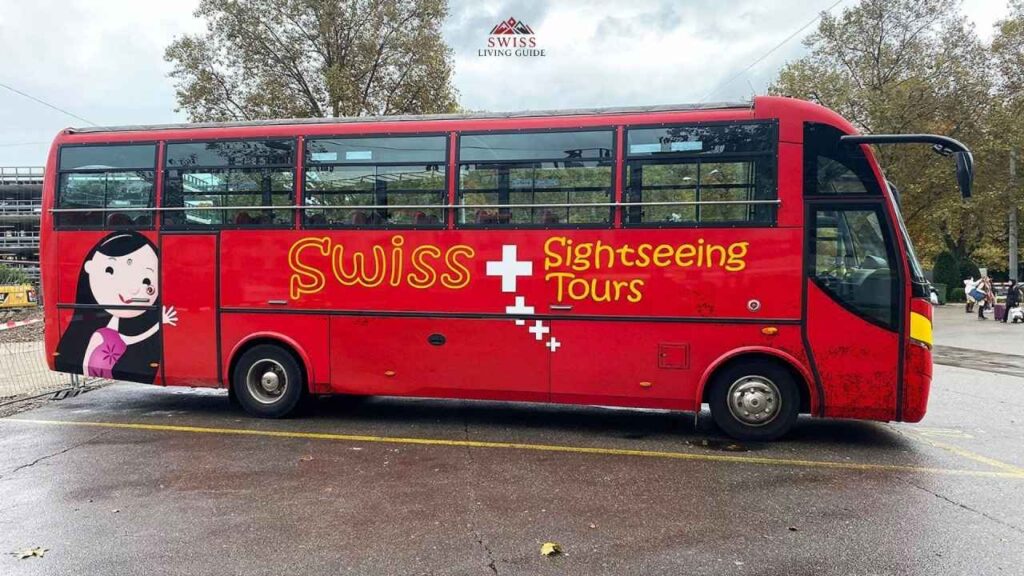
Zurich City Tour Bus
If you’re short on time or visiting with family, a hop-on, hop-off city bus tour is hard to beat. You’ll cover all the major Zurich tourist attractions in a couple of hours, with audio commentary in multiple languages.
The buses typically stop at the Old Town, the Bahnhofstrasse, the Kunsthaus museum, Lake Zurich, and Zurich West. It’s a great orientation tool on your first day — after the tour, you’ll know exactly which spots you want to revisit on foot.
Best Time to Visit Zurich & Major Events
Zurich is a year-round destination, but the experience changes dramatically with the seasons. Here’s what to expect:official Zurich Tourism website
Spring (April–May)
Mild temperatures, blooming flowers, and smaller crowds make spring a lovely time to visit. The city is green and fresh, and you’ll find outdoor dining returning to the streets. Shoulder season prices make this period attractive for budget-conscious travelers.
Summer (June–August)
This is peak season for good reason. Long sunny days, warm lake waters perfect for swimming, outdoor festivals, and a buzzing energy throughout the city. Expect higher hotel prices and more tourists — but also the best overall experience Zurich can offer.
Autumn (September–October)
Warm golden light, crisp air, and the lakes are still warm enough for a dip through September. Crowds thin out, prices ease, and Zurich is arguably at its most photogenic in the autumn. A great time to visit if you want the summer experience without the summer rush.
Winter (November–March)
Cold and occasionally snowy, Zurich transforms into a cozy, atmospheric city in winter. The Christmas markets are magical — especially on the Bahnhofstrasse — and the city feels quieter and more intimate. Museum visits, fondue dinners, and day trips to snowy Alpine resorts are the highlights.
Zurich City Triathlon
One major event worth planning around — or planning for — is the Zurich City Triathlon, held every summer. This international sporting event draws elite athletes and thousands of spectators to the city for a weekend of swimming, cycling, and running through Zurich’s streets and waterways.
The race course passes through some of the most scenic parts of the city, making it a spectacular event to watch even if you’re not competing. However, hotel availability drops sharply during this weekend, and prices spike. If your travel dates fall around the triathlon, book accommodation several months in advance.
Tip: Check the Zurich Tourism events calendar before finalizing your travel dates. Booking hotels early during major events like the Triathlon or Street Parade (August) can save you 30–40% on room rates.
2-Day Zurich Itinerary
Two days in Zurich is genuinely enough to see the highlights without feeling rushed. Here’s a practical plan that balances sightseeing, eating, and breathing space.
Day 1 — History, Shopping & the Lakeside
Morning:
- Start at the Grossmünster — arrive early to beat the groups. Climb the tower for rooftop views.
- Cross the river to the Fraumünster and spend 30 minutes with the Chagall windows.
- Walk the narrow lanes of the Altstadt — get lost a little. That’s half the fun.
Afternoon:
- Stroll the Bahnhofstrasse from end to end — window shop, grab Swiss chocolate, pick up a souvenir or two.
- Stop at Confiserie Sprüngli at Paradeplatz for a famous Luxemburgerli (a Swiss macaron) and coffee.
- Head to Lindenhof hill for afternoon panoramic views.
Evening:
- Walk down to Bürkliplatz for a leisurely evening stroll along the Lake Zurich promenade.
- Dine at one of the lakeside restaurants — fresh fish from the lake is the local specialty.
- Optional: Catch a short evening lake cruise as the city lights reflect on the water.
Day 2 — Museums, Modern Zurich & Sunset Views
Morning:
- Visit the Kunsthaus Zurich — one of Switzerland’s finest art museums, with an excellent collection from Monet to Giacometti.
- Alternatively, the Swiss National Museum (right behind the main train station) offers a deep dive into Swiss history and culture.
Afternoon:
- Head to Zurich West — the city’s reborn industrial district. Former factories now house galleries, restaurants, boutiques, and street art.
- Visit the Viadukt market under the old railway arches for local food, design shops, and a real taste of modern Zurich life.
- Try a craft beer at one of the local microbreweries in the area.
Evening:
- Head to the Uetliberg — Zurich’s local mountain, reachable by train in 20 minutes from the city center. The sunset view over the city, the lake, and the Alps is unforgettable.
- Return to the city for dinner in Zurich West — the neighborhood comes alive in the evenings with restaurants and bars.
Tip: Both days are best experienced with a Zürich Card in hand — it covers all the transport and gives free or discounted museum access, saving you real money across the two days.
Where to Stay in Zurich
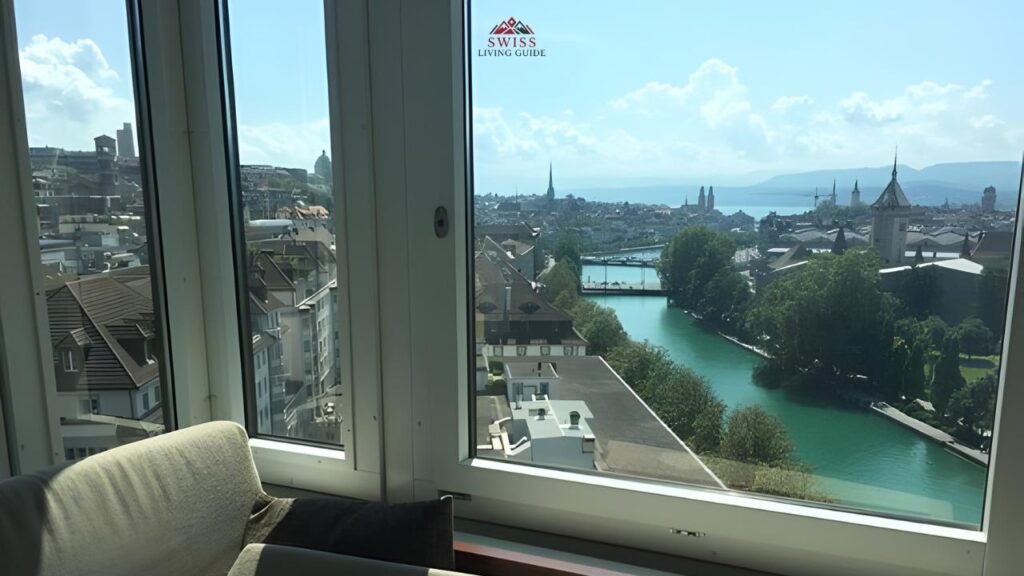
Zurich is not a cheap city — let’s be honest about that upfront. But there are good options at every price level, from smart budget hotels to luxury properties with lake views. The two main areas for visitors are the City Centre and Zurich West.
Hotels in Zurich City Centre
Staying in the center puts you walking distance from the Old Town, the Bahnhofstrasse, and the main train station — ideal for first-time visitors and those who want maximum convenience.
Aparthotel Adagio Zurich City Center
A fantastic pick for families or anyone staying more than a few nights. Adagio combines apartment-style living (with small kitchens) with hotel services. Great location, spacious rooms, and very reasonable value for Zurich standards.
ibis Styles Zurich City Center
Stylish, fun, and genuinely budget-friendly for Zurich. The ibis Styles brand goes beyond the basic ibis formula — rooms here have personality, the location is excellent, and breakfast is included in most rates. A smart pick for solo travelers and couples on a moderate budget.
ibis Zurich City Center
No-frills, central, and reliable. The classic ibis formula works perfectly for travelers who want a clean, comfortable base without paying luxury prices. Perfect if you plan to spend most of your time out exploring.
Hotels in Zurich West
If you want to experience the edgier, more creative side of Zurich, stay in Zurich West. This former industrial area has transformed into the city’s most exciting neighborhood, with great restaurants, bars, and galleries on your doorstep.
Mercure Zurich City
A polished mid-range option with comfortable rooms and a modern design that fits right into the Zurich West aesthetic. Good transport connections make getting to the Old Town easy.
Novotel Zurich City West
Spacious rooms, a gym, and a restaurant on-site make this a solid choice for business travelers and families alike. The service is reliable and the neighborhood energy is a refreshing change from the tourist-heavy center.
ibis & ibis Budget Zurich City West
Two ibis properties in Zurich West offer the brand’s trademark reliability at very competitive prices for the city. The ibis Budget is especially good value — basic but clean, and the location in Zurich West means you’re surrounded by great eating and drinking options right outside the door.
Tip: Book your Zurich hotel at least 6–8 weeks in advance during summer. The city fills up quickly, especially during major events. Prices can double or triple last-minute.
Frequently Asked Questions
Explore More Switzerland Guides
Zurich is just the beginning. Switzerland has so much more to offer — from charming small cities to jaw-dropping mountain landscapes and fascinating expat communities. Here are some more guides from Swiss Living Guide to help you plan:
- Living in Switzerland — Everything you need to know about life as an expat
- Cost & Finance in Switzerland — A realistic breakdown of expenses
- Swiss Cities Guide — Comparing Zurich, Geneva, Basel, Bern, and Lucerne
Visit Swiss Living Guide for all our Switzerland guides, tips, and resources.
Conclusion
Zurich is the kind of city that rewards you for slowing down. Yes, it’s one of the world’s most expensive destinations. Yes, it’s polished and precise in that very Swiss way. But it’s also genuinely beautiful, surprisingly fun, and layered with history, culture, and lakeside charm that keeps drawing visitors back.
In two days, you can walk medieval streets, gaze at Chagall’s glowing windows, cruise the lake, ride a silent tram through a modern neighborhood, and eat fondue under the Alps. That’s a pretty remarkable city break by any measure.
Use your Zürich Card, book your hotel early, and don’t skip the Fraumünster or Lindenhol viewpoint. Those are the moments that make a Zurich trip truly memorable.
Ready to plan your perfect Switzerland trip? Explore more guides, practical tips, and insider advice at Swiss Living Guide