
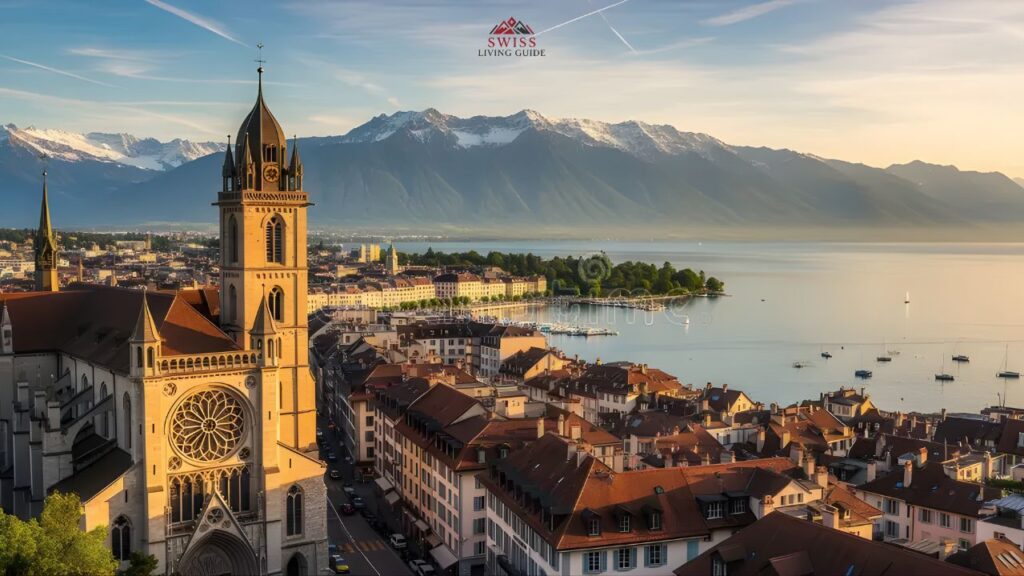
There’s a particular kind of morning in Geneva when the mist sits low on Lac Léman and the first light catches the peaks of the Alps behind the city. The Jet d’Eau — that absurdly powerful plume of water shooting 140 metres into the sky — catches a rainbow, and for a moment you’re standing in a place that feels genuinely unlike anywhere else in the world. Wedged between the Jura Mountains to the northwest and the French Alps to the southeast, Geneva city pulls off a trick that most cities would struggle to dream of: it is simultaneously a resort destination, a global centre of power, and a quietly liveable place where French cafés sit two minutes from the offices of international law.
If you’re planning a Geneva city break, you’ll find the question people most often ask is a geographic one: Geneva city in which country? The answer is Switzerland — but not quite what most people picture when they think of Switzerland. There are no lederhosen and little German here. Geneva is French-speaking, cosmopolitan, and deeply international in a way that even Zurich or Basel aren’t quite. For the record, the Swiss capital is Bern — Geneva simply carries more global weight, which is why it’s earned the informal title of the Capital of Peace, home to the United Nations European headquarters and the Red Cross, among dozens of other international organisations.
This guide covers everything: the must-see sights, the best things to do in Geneva Switzerland, honest hotel advice, the realities of its famous cost of living, and all the practical details that turn a good trip into a great one.
Quick Snapshot: Geneva at a Glance
| Country | Population |
| Switzerland | ~200,000 (city proper) |
| Language | Currency |
| French | Swiss Franc (CHF) |
| Best Time to Visit | Ideal Stay |
| June – September | 2 – 3 days |
| Famous For | Airport |
| Diplomacy, luxury, Lake Geneva, watchmaking | Geneva Aéroport (GVA) — 6 km from centre |
Why Visit Geneva City?
Honestly? Because it surprises you. Visitors who arrive expecting a dry, corporate city of bureaucrats and bankers tend to leave slightly bewildered by how much they enjoyed themselves. Geneva is compact — you can walk from the old town to the lakefront in ten minutes — and that compactness makes it generous. Everything worth seeing is accessible without planning.
The combination here is rare. On one side you have genuine natural beauty: a lake so clean you can swim in it from June to September, mountains visible from virtually every street, and parks that are maintained with Swiss precision. On the other, you have world-class museums, some of the finest watchmaking boutiques in existence, Michelin-starred restaurants, and a multicultural food scene shaped by the enormous expat population that the UN and NGO community has brought to the city.
Geneva is also a city that rewards slowing down. Its beauty is subtle in places — a hidden courtyard in the old town, a Baroque fountain you stumble upon while lost, a morning market on the Place du Bourg-de-Four. If you’re the type of traveller who appreciates a city that doesn’t shout its charms, you’ll be in good company here.
“Geneva manages to be both a working city and a place worth escaping to — which is rarer than it sounds.”
Top Things to Do on Your Geneva City Break
Exploring the Geneva Old City (Vieille Ville)
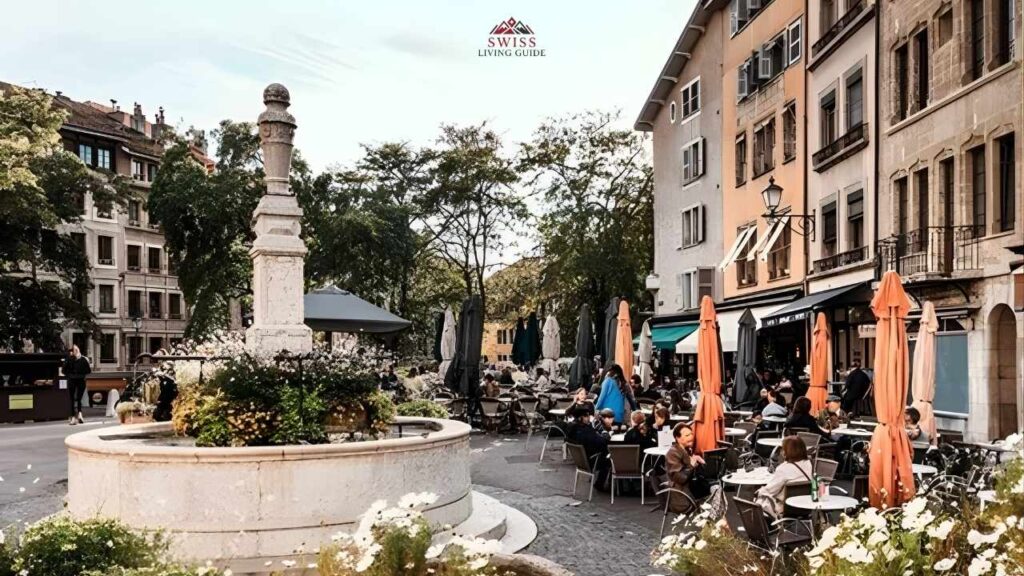
The Old City sits on a hill on the left bank of the Rhône, and it’s where Geneva was born. Start at the Place du Bourg-de-Four — the oldest square in the city, where the Romans built their forum — and work your way up through the Grand-Rue, a street lined with antique dealers, independent bookshops, and the kind of slow, dignified commerce that feels like it belongs to another era.
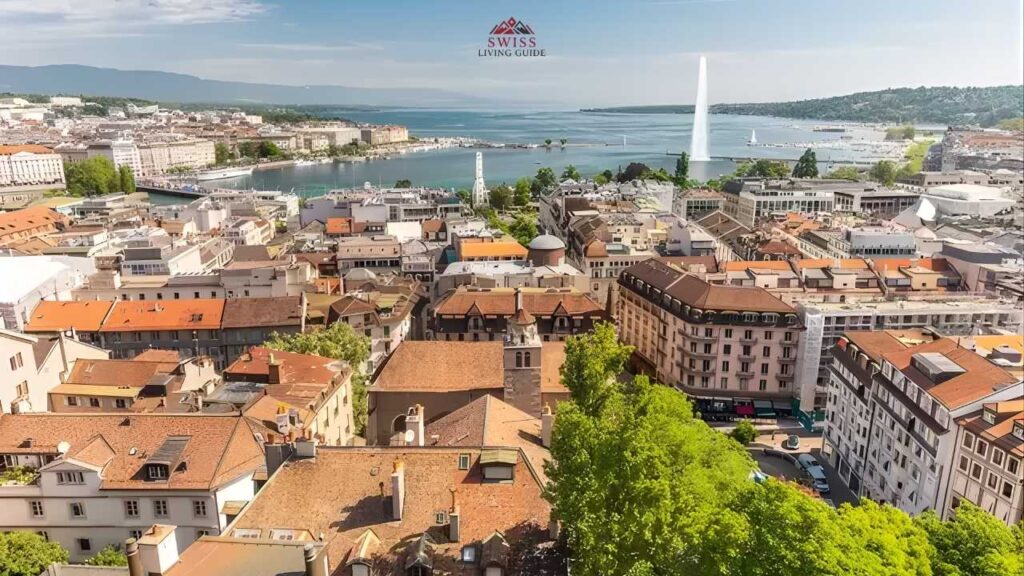
The centrepiece of the old town is St. Peter’s Cathedral (Cathédrale Saint-Pierre), an architectural hybrid of Romanesque, Gothic, and neoclassical styles that took centuries to complete. The climb to the north tower is worth the effort: 157 steps rewarded with a rooftop view over the red-tiled rooftops, the lake beyond, and Mont Blanc visible on clear days. Admission to the towers is cheap, and the attached Archaeological Site — an underground excavation of the Roman and early medieval layers beneath the cathedral — is one of the most underrated attractions in the city.
Nearby, the Geneva City Hall (Hôtel de Ville) sits in a small square shaded by plane trees. This is where the first Geneva Convention was signed in 1864 — a moment that still shapes international humanitarian law today. It’s a grounding thought to have while you’re eating a crêpe from a nearby stall.
Local Tip: Skip the cathedral café and instead find Chez ma Cousine on the Place du Bourg-de-Four for lunch—it’s an institution beloved by locals and, remarkably, still reasonably priced by Geneva standards.
The Magic of Lake Geneva
If there’s one thing Geneva forces you to do, it’s spend time by the water. Lake Geneva (known locally as Lac Léman) is the largest freshwater lake in Western Europe, and the section in front of the city is perhaps the most theatrical stretch of any urban waterfront in Europe. You’ll understand why once you watch the Jet d’Eau do its thing.
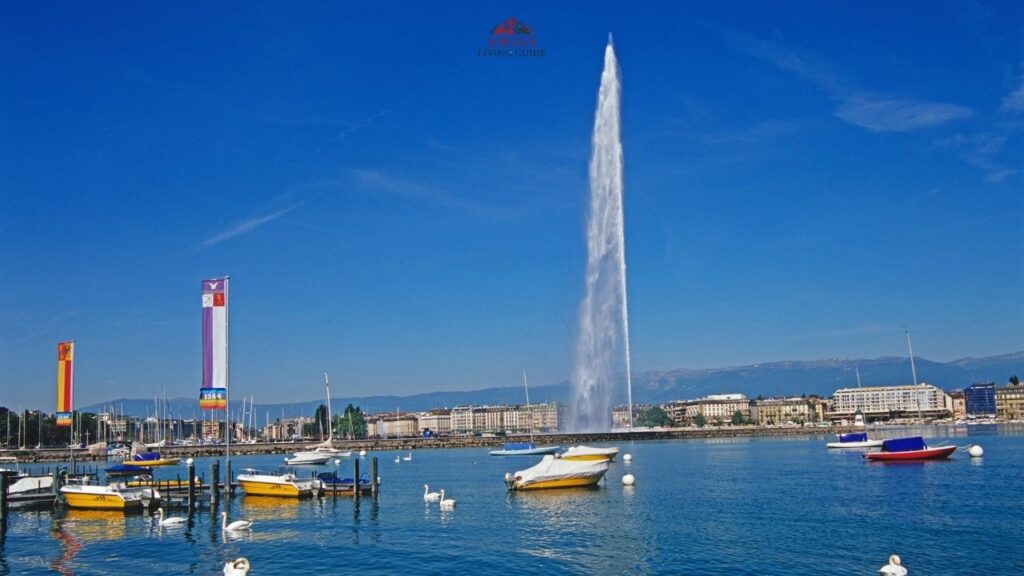
The Jet d’Eau is the city’s iconic fountain — shooting 500 litres of water per second to a height of 140 metres. It runs year-round (except in very high winds), and no matter how many photos you’ve seen, standing next to it in person is unexpectedly impressive. Walk onto the Jetée des Eaux-Vives pier to get close; if the wind is blowing toward you, bring a jacket you don’t mind getting wet.
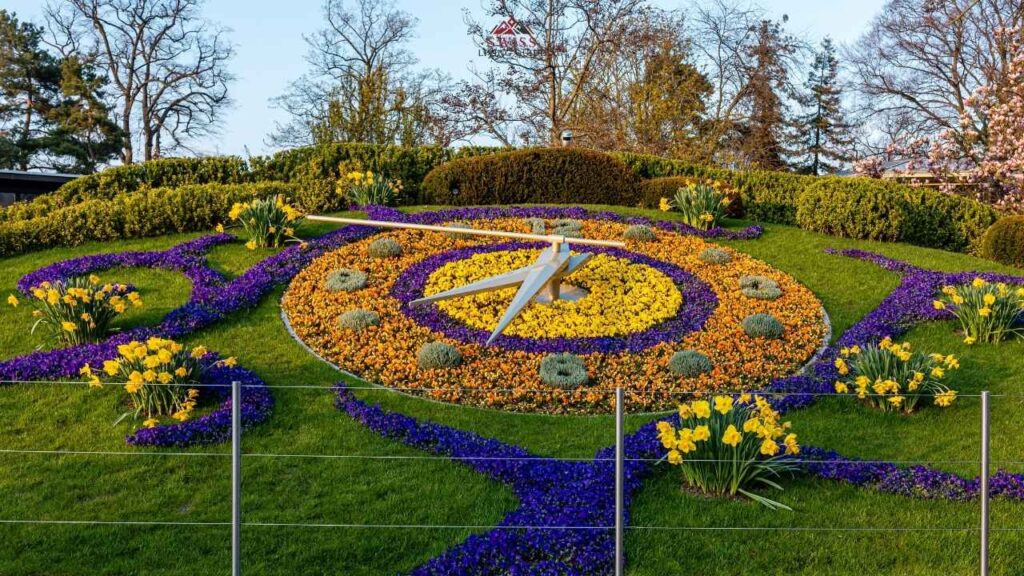
Walk along the Quai du Général-Guisan toward the Jardin Anglais and you’ll reach the Flower Clock (Horloge Fleurie) — a working clock face built into the hillside from 6,500 flowers, planted in seasonal rotations. It’s a bit touristy, yes, but also genuinely lovely, and the gardens around it make a nice place to sit.
Beyond the postcard shots, the Lake Geneva attractions extend further. CGN boat cruises run from the main port to towns across the lake — Lausanne, Montreux, and the vineyards of Lavaux are all reachable by boat. In summer, the city opens multiple outdoor swimming spots (called “bains”) along the lakefront. The Bains des Pâquis — a wooden pier jutting into the lake — is equal parts beach club and community institution, open from morning until late evening.
Taking a Geneva City Tour
For first-time visitors, a guided tour is a smart investment. Geneva Walks offers free and premium walking tours that cover the Old Town, the International District (where the UN complex and Red Cross museum are found), and various neighbourhood histories. The guides are typically multilingual and impressively knowledgeable.
If you prefer to move at your own pace, the open-top bus tour covers the main highlights in about 90 minutes and lets you hop on and off. A more unusual option: the Choco Pass, a self-guided chocolate tour that takes you through a dozen of the city’s finest chocolate shops — not a bad way to spend a morning in one of the world’s great chocolate countries.
Why You Need the Geneva City Pass
The Geneva City Pass is one of the more genuinely useful city cards available in Europe. It provides free or discounted entry to over 60 attractions — including the Palais des Nations (the UN building), the Red Cross and Red Crescent Museum, the Natural History Museum, and boat trips on the lake — as well as unlimited free use of public transport within Geneva and the surrounding canton.
Available in 24-hour, 48-hour, and 72-hour versions, it pays for itself quickly if you’re doing more than two or three attractions a day. You can buy it at the tourist office near the central station or online in advance. Given Geneva’s otherwise steep admission prices, this is one expense that genuinely saves money.
Pro Tip: The Palais des Nations offers daily guided tours in multiple languages — typically not included in every pass tier, so check before you buy. The scale of the building and the history of its chambers is remarkable even for visitors with little interest in diplomacy.
Where to Stay: Top Geneva City Centre Hotels
The Case for Staying Central
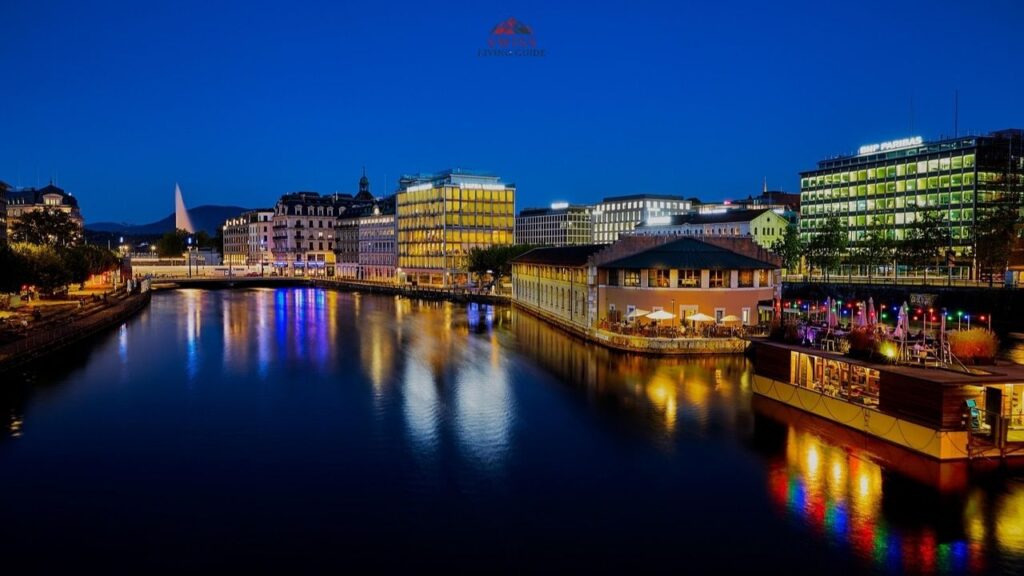
Geneva is a walkable city, and where you stay makes a significant difference. Geneva city center hotels put you within strolling distance of the lake, the old town, the main shopping streets (Rue du Rhône for luxury, Rue de Rive for a mix), and the central station. Public transport is excellent, but for a short city break, the freedom to wander in any direction without planning is worth paying a little more for.
The Rive Gauche (left bank) neighbourhoods of Plainpalais and Carouge are increasingly popular for their bohemian atmosphere, weekend markets, and better restaurant value. Staying there adds a slightly longer walk to the lake but a more local character to your evenings.
Stay KooooK Geneva City
Stay KooooK Geneva City is part of a Swiss-based concept that bridges the gap between aparthotel and boutique accommodation. The design is clean and contemporary, with flexible room configurations that suit both solo travellers and those on longer stays. It’s particularly popular with digital nomads and younger visitors who want functional, stylish space without the formality of a traditional hotel. Well located near the main train station, it’s a solid mid-range option in a city where mid-range can be surprisingly hard to find.
Residence Inn Geneva City Nations
For business travellers or those visiting for an extended period, the Residence Inn Geneva City Nations (part of the Marriott portfolio) sits in the International District — close to the UN complex, CERN shuttle points, and the WHO headquarters. The suite-style rooms with kitchen facilities make it practical for longer stays, and it’s the kind of place where you’re as likely to find a humanitarian lawyer as a leisure traveller in the breakfast room. Comfortable, reliable, and strategically placed.
Living in Geneva: Local Life & Practical Insights
Geneva City Schools
Geneva operates one of the most comprehensive public school systems in Switzerland, entirely free to residents and taught in French from primary level. For the city’s enormous expat population, however, international schooling is a significant draw. Geneva is home to the International School of Geneva — the world’s oldest international school, founded in 1924 — as well as numerous IB and multilingual programmes. Educational quality here is high across the board, which is part of why families relocate here despite the costs.
> Learn more in our guide to living in Switzerland
The Geneva City Court
Geneva has a long tradition as a centre of legal and humanitarian thought. The city’s main judicial institution, the Palais de Justice, sits in the old town near the Parc des Bastions and has been a working court since the 16th century. For visitors with an interest in international law, the collections at the Red Cross Museum and the Palais des Nations are more accessible — but the Palais de Justice is worth a look for its architecture alone.
Cost of Living in Geneva
Let’s be direct: Geneva is expensive. Consistently one of the top three most expensive cities in the world in international surveys, the cost of living in Geneva is something to plan around rather than ignore. A one-bedroom apartment in the city centre will typically cost CHF 2,200–3,000 per month. A sit-down lunch at a modest restaurant costs CHF 20–30 per person before drinks. A monthly public transport pass runs around CHF 70.
For tourists, the numbers soften slightly if you plan well. Self-catering, using the Geneva City Pass, and eating at the city’s covered markets (particularly the Halles de Rive) can bring costs down considerably. Switzerland’s supermarkets — Migros and Coop — are perfectly good for picnic supplies, which is a very reasonable way to enjoy the lakeside parks.
Budget Tip: The Bains des Pâquis charges only CHF 2 for lakeside access in summer. It’s one of the best-value experiences in the city — bring a towel and a baguette and you’re set for half a day.
Getting Around Geneva
Geneva’s public transport system (TPG) is excellent and covers trams, buses, and even a small lake ferry. Most Geneva city centre hotels offer a free Geneva Transport Card to guests, which provides unlimited transport access during your stay — making taxis largely unnecessary. The city is also highly walkable: the old town, lake, and main station form a triangle you can walk in under 20 minutes.
Cycling infrastructure has improved significantly over recent years, with a rental scheme (Genève Roule) that’s popular in summer. For day trips — Lausanne, Montreux, or the Salève mountain via cable car — trains from the central station are fast and scenic.
Safety & Lifestyle
Geneva consistently ranks among the safest cities in the world. Street crime is low, the city is scrupulously clean, and public spaces feel genuinely shared and maintained. The quality of life here is world-class in material terms — healthcare, education, infrastructure, and natural environment are all exceptional. The social fabric is a little formal by southern European standards; Genevans can seem reserved to outsiders, but friendships made here tend to be lasting ones.